

The Real Cultural Experiences of Volunteering in Israel
Beyond Tourism: The Real Cultural Experiences of Volunteering in Israel
There is a difference between visiting a place and working in it.
You can stand at a lookout over the Galilee, hear the history, take the photograph and carry something real home with you. Plenty of people do, and it stays with them for life. But there is a second version of this country, and you reach it the moment somebody hands you a crate and expects you to keep up.
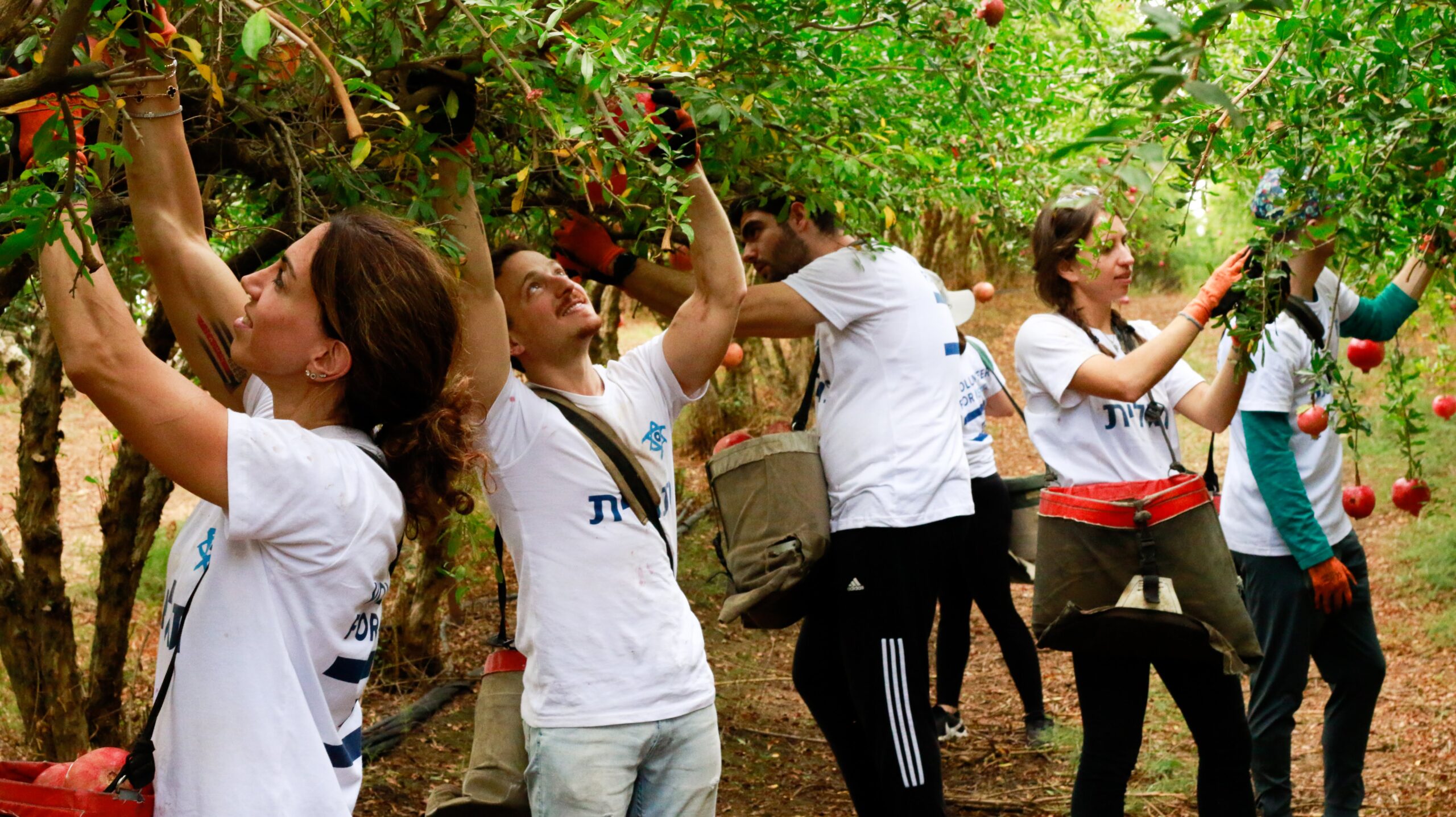
Through Volunteer In Israel, a joint initiative of Birthright Israel and the Jewish Federations of North America, Jewish adults aged 18 to 50 spend eight days working inside Israeli communities. Agricultural work, food distribution, rebuilding, hands-on aid, four to six hours a day. The work is the reason people sign up. What catches most volunteers in Israel off guard is everything that arrives alongside it.
What Cultural Experiences Can I Gain While Volunteering in Israel?
More than you would expect, and most of it is built into the week rather than left to luck.
You land in Tel Aviv and start with a neighborhood tour. Evenings bring briefings that put the day’s work into context. On Friday you finish your shift, light candles, join a Kabbalat Shabbat and sit down to a potluck dinner with your group. Saturday belongs entirely to you, and it closes with Havdalah, song included.
Educational and social activities are part of what the program includes, alongside your placement, and so is meeting Israeli peers your own age. The exact shape shifts depending on your trip organizer and conditions on the ground. What stays the same is that the week is built to give you more than a job to do.
The Work Itself Is What Opens the Door
Here is the part that never makes it into a brochure. Standing in a field beside someone for four hours does something no guided tour can arrange.
A tourist asks a guide about Israel and gets an answer shaped for tourists. A volunteer ends up asking the farmer next to them how the season has actually gone, and the answer has nothing to do with tourism at all. You hear what people are worried about. You hear the jokes, which tell you more than the worries do.
That conversation does not happen across a hotel counter. It happens when your hands are filthy and so are theirs, and neither of you is performing.
Israeli Hospitality Arrives Faster Than You Are Ready For
Israelis tend to skip the warm-up. Within ten minutes of meeting you, someone will ask what you do, whether you are seeing anyone, and why you are not eating more.
It reads as bluntness until you understand it as the opposite. A direct question is how you are told you are already in. Volunteers regularly find themselves pulled into a Friday night dinner at someone’s home, seated between a grandmother and a teenager, handed a plate they did not ask for and then handed a second one.
You arrive as a stranger and get treated like a cousin who has been away too long.
What You Do With the Hours That Belong to You
The schedule leaves real space. Free afternoons, a free evening, and a full day off in the middle of the week.
Spend some of it on food, because food is where Israeli culture argues with itself in public. Hummus that quietly ruins hummus everywhere else for you. A sabich eaten standing up on a curb. A table that keeps producing more bread long after everyone has said they are finished.
Spend the rest on wherever you have landed, because placements sit all over the country and that shapes your free hours more than anything else. A kibbutz volunteer placement gives you fields, quiet and a version of Israel most visitors never see. Others volunteer in Tel Aviv and finish the day at the sea. And there are Jerusalem Volunteer Opportunities that put stone streets and three thousand years of argument on your doorstep.
The Days That Ask Something of You
Not all of this is warm, and it would be dishonest to write as though it were.
The program exists because of October 7. Around day six, most groups volunteer in the morning and then go to Hostage Square and hear a first-hand account from someone the attacks reached directly. It is a heavy afternoon. It is also, by many volunteers’ own account, the part of the week they carry longest.
Culture is not only food and Shabbat songs. It is also sitting with what a country is holding. You cannot really understand the warmth until you understand what it is being offered in spite of.
You Are Stepping Into Something Already Moving
Thirty young volunteers from Argentina turned up at Shlomo Peretz’s home, damaged by rocket fire, and set about restoring it. Roughly 2,500 people from around the world have helped landscape the compound at Kibbutz Hatzerim, where residents of Kibbutz Be’eri are living until their own homes are rebuilt. More than 10,000 people have now come through the program.
David Delman of New York City, who came with a cohort of lone soldier parents, put it in six words: we all share the same destiny.
You would not be the first, and that is the point. You would be joining something thousands of people have already built, and it will still be standing after you go home.
Ready to See the Real Israel?
Eight days of real work, shared meals and unguarded conversation teach you something a week of looking cannot, and it is a good deal harder to put down once you are home.
If you identify as Jewish and you are between the ages of 18 and 50, you may be eligible. Explore Volunteer Opportunities in Israel and see where you could be placed, or apply today and find out what this country feels like from the inside of the work.
Written by the Birthright Israel Blog team, your insider guide to the food, places, and experiences that make Israel unforgettable.